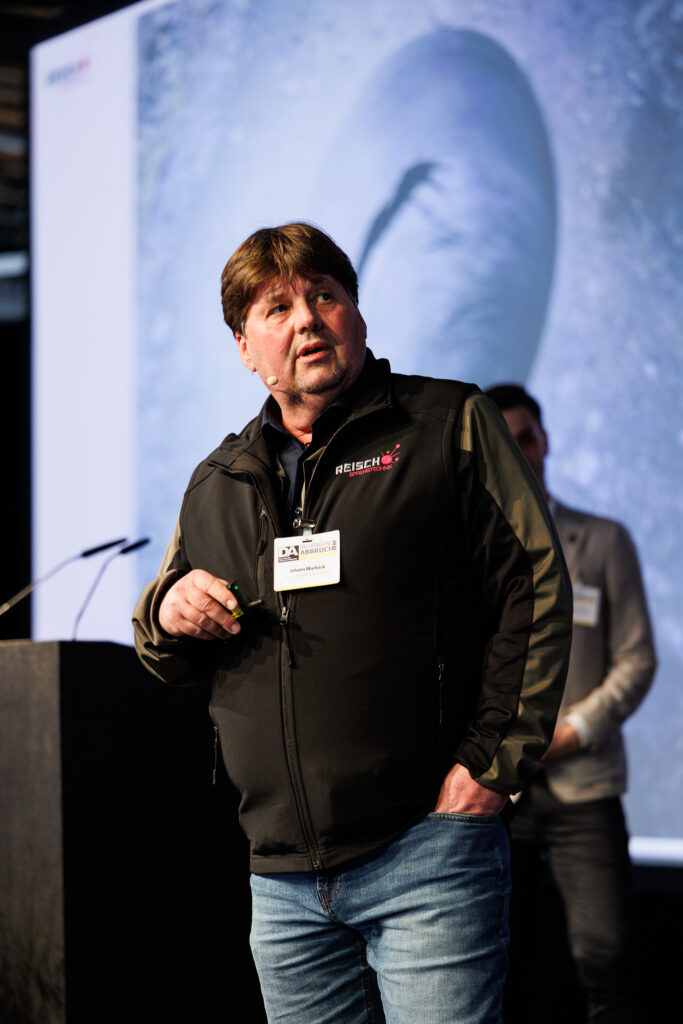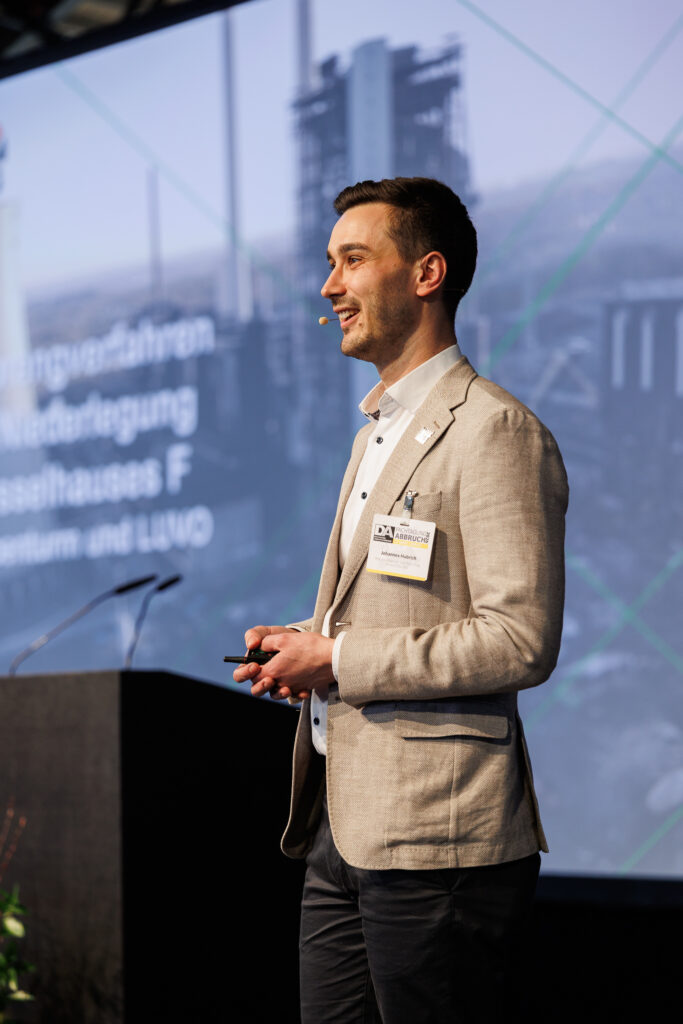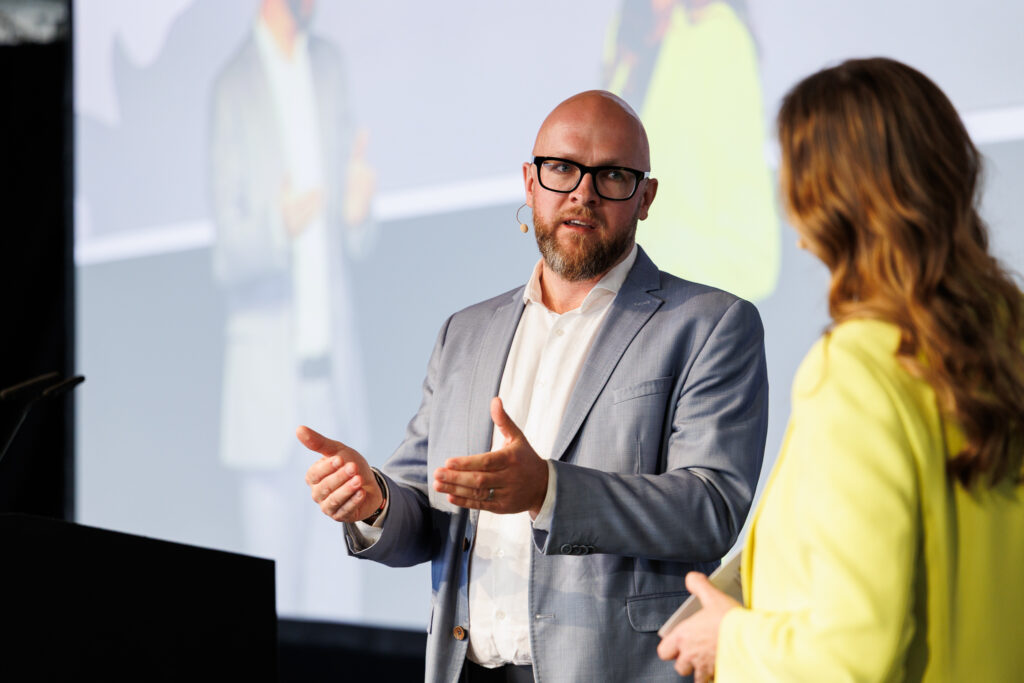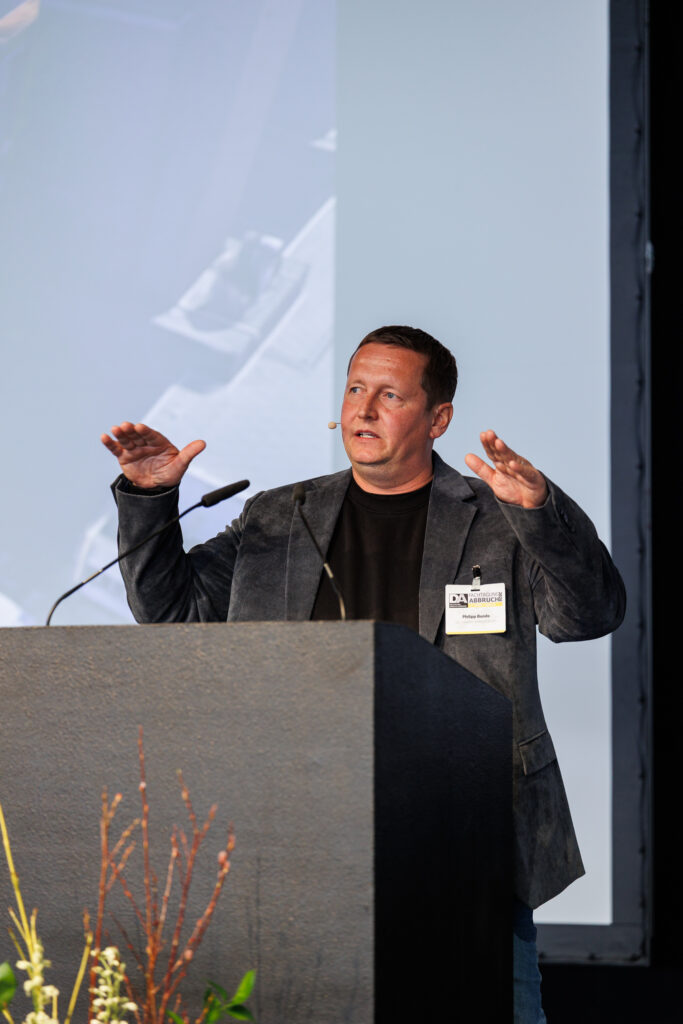


FACHTAGUNG ABBRUCH 2026 in the sign of variety
Europe’s largest industry gathering for demolition and dismantling brings together more than 1,300 professionals, 125 exhibitors and numerous experts in Berlin.
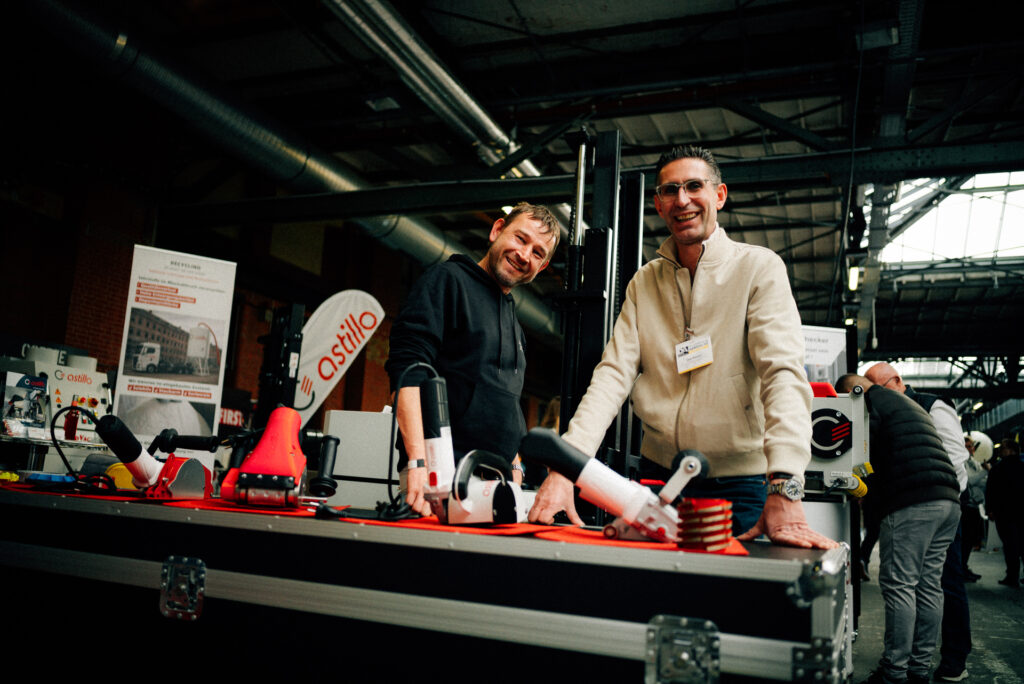
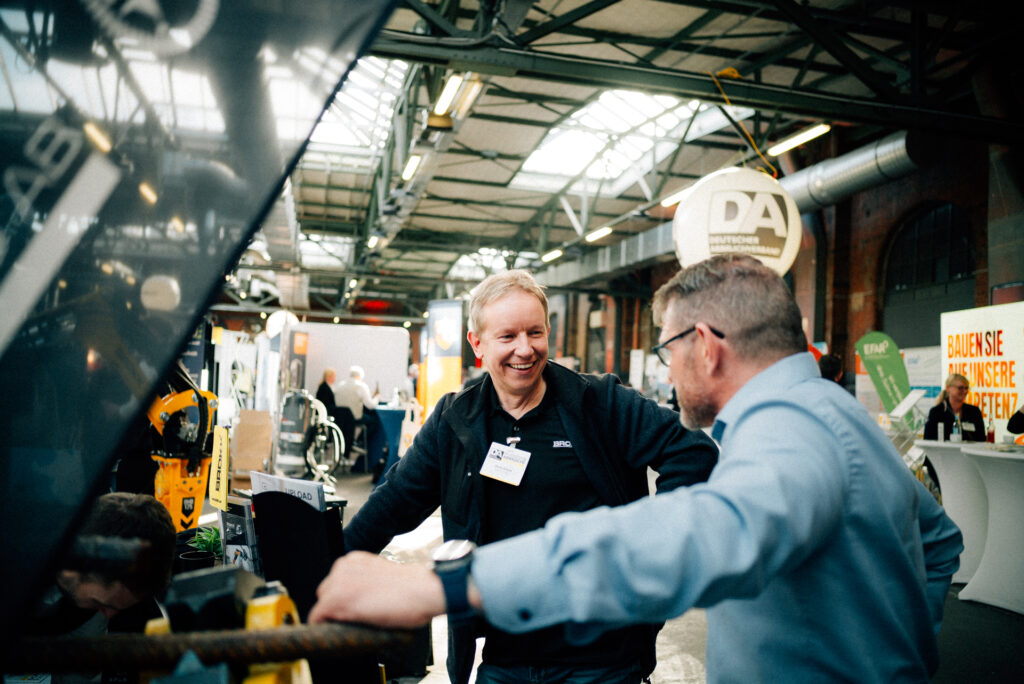
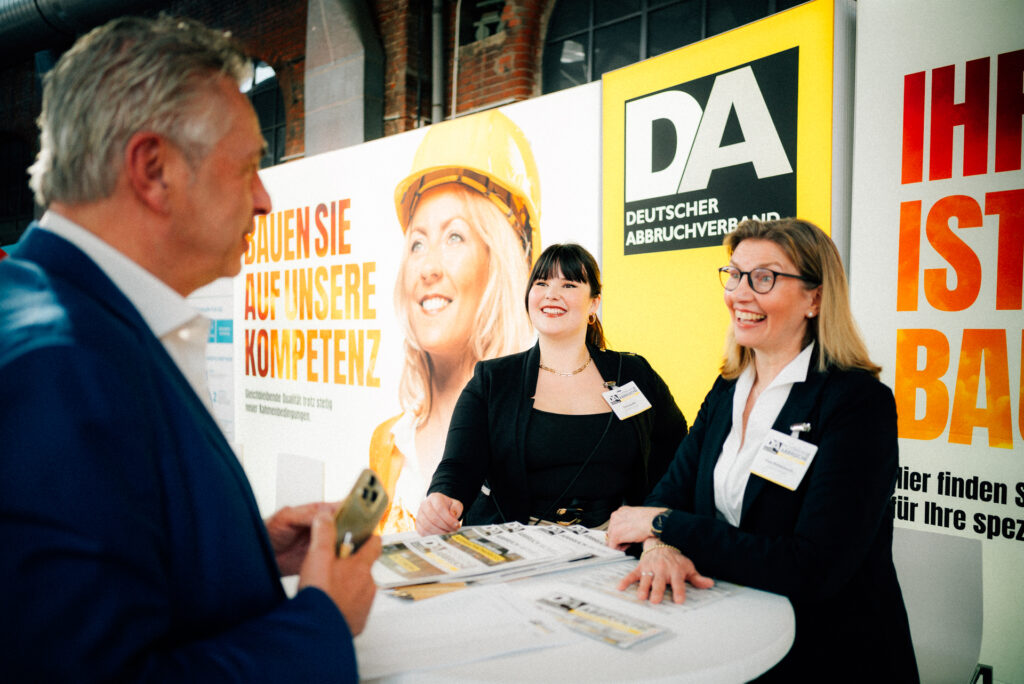
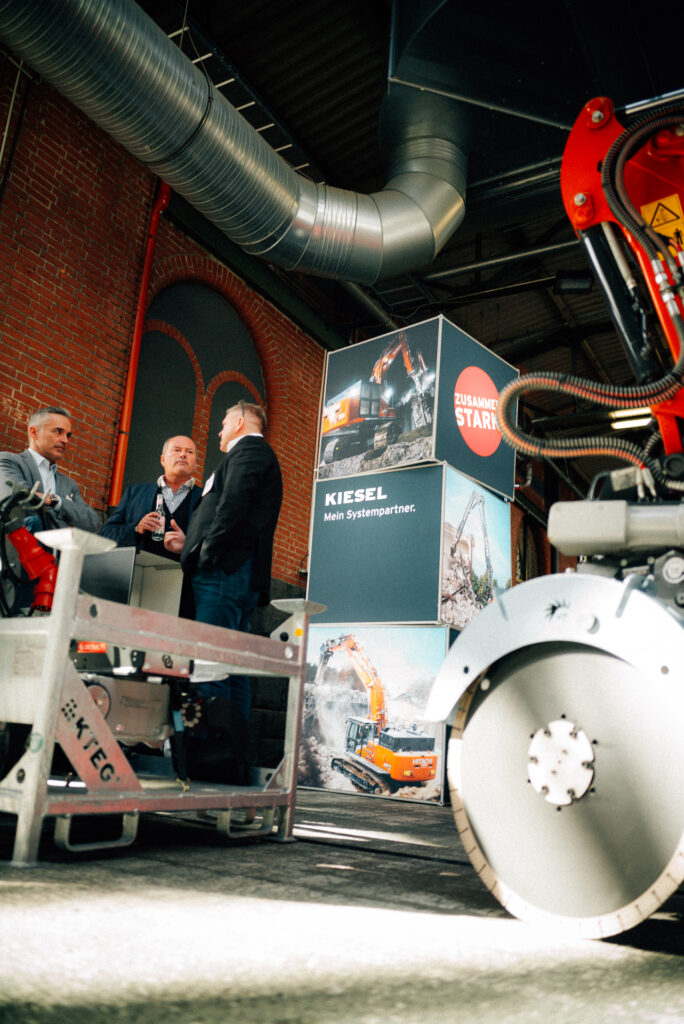
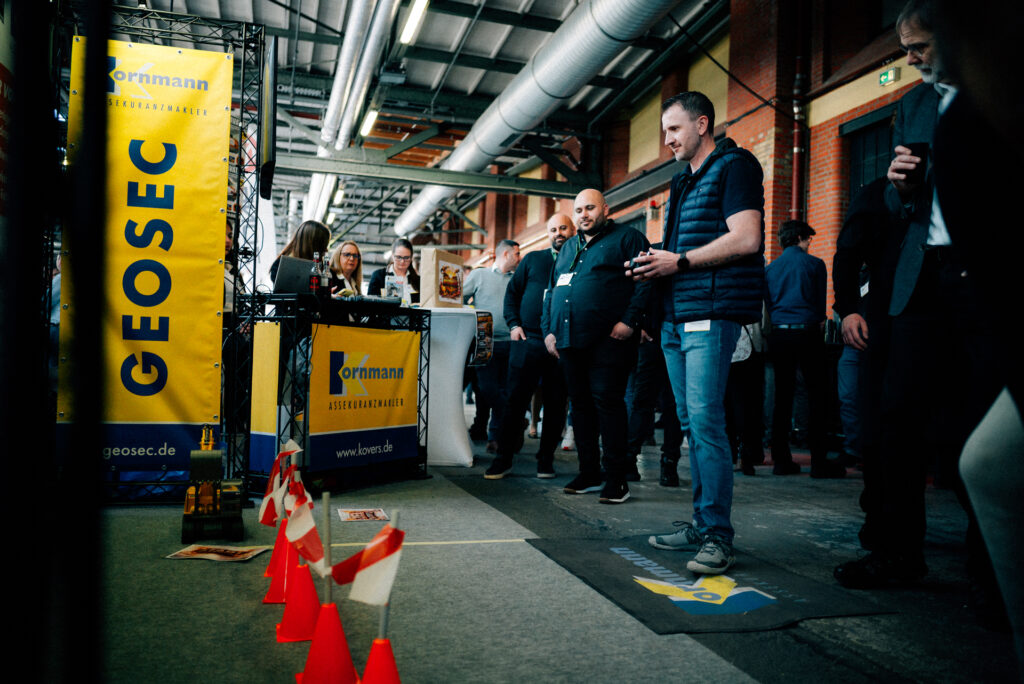
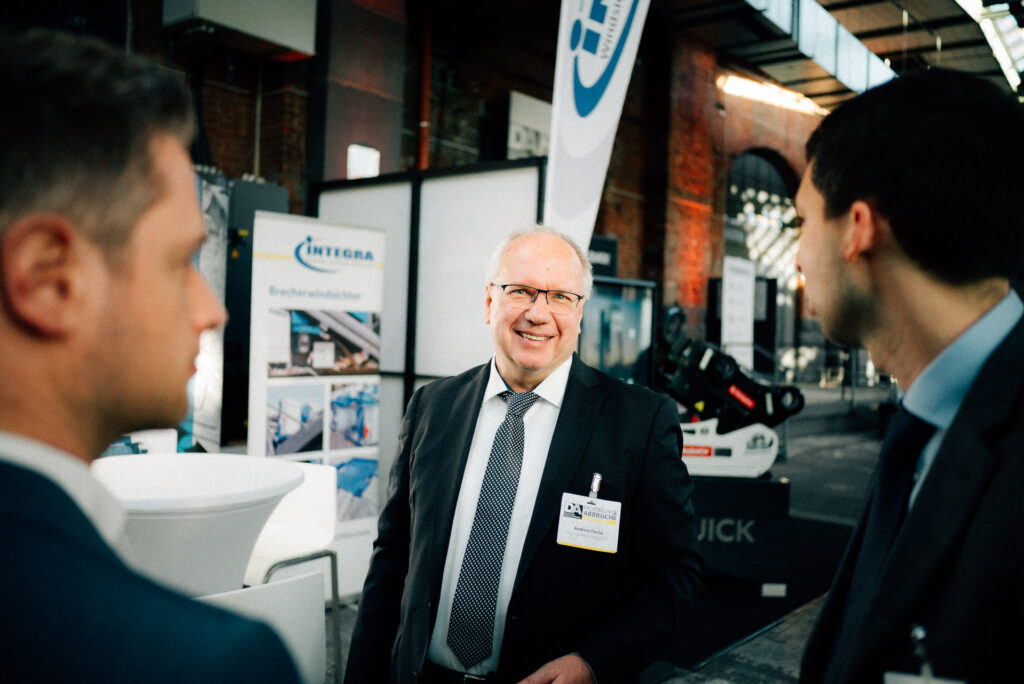
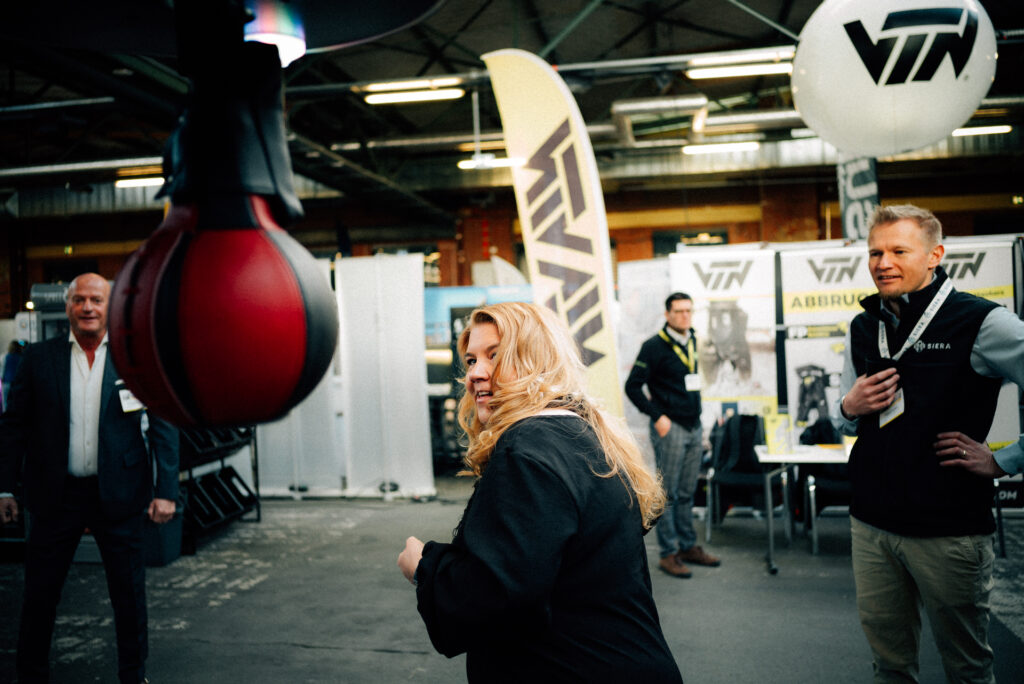
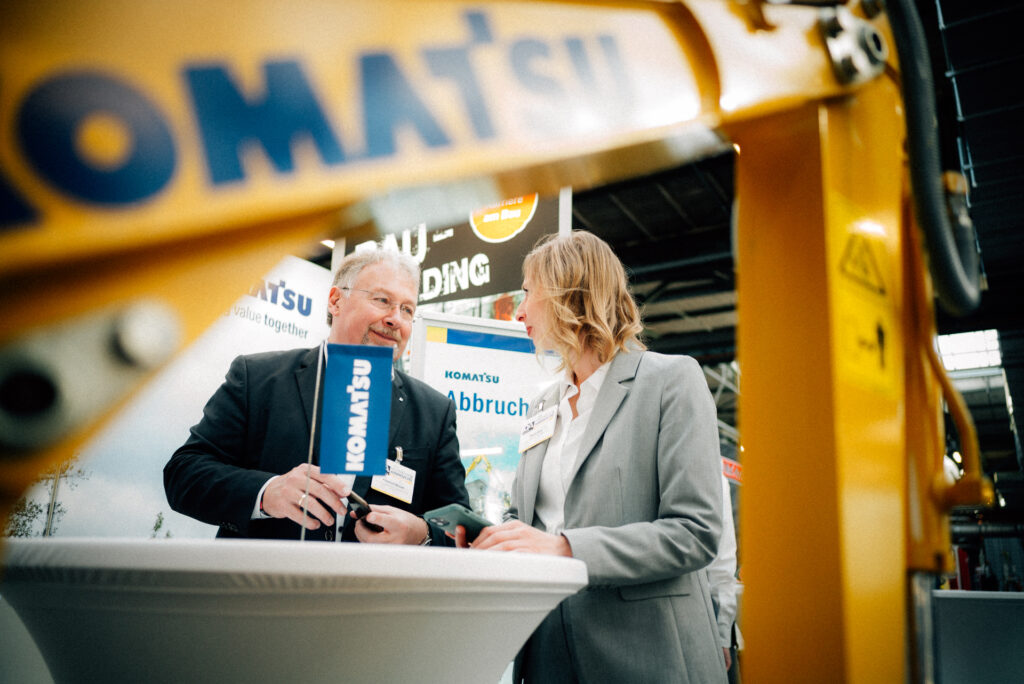
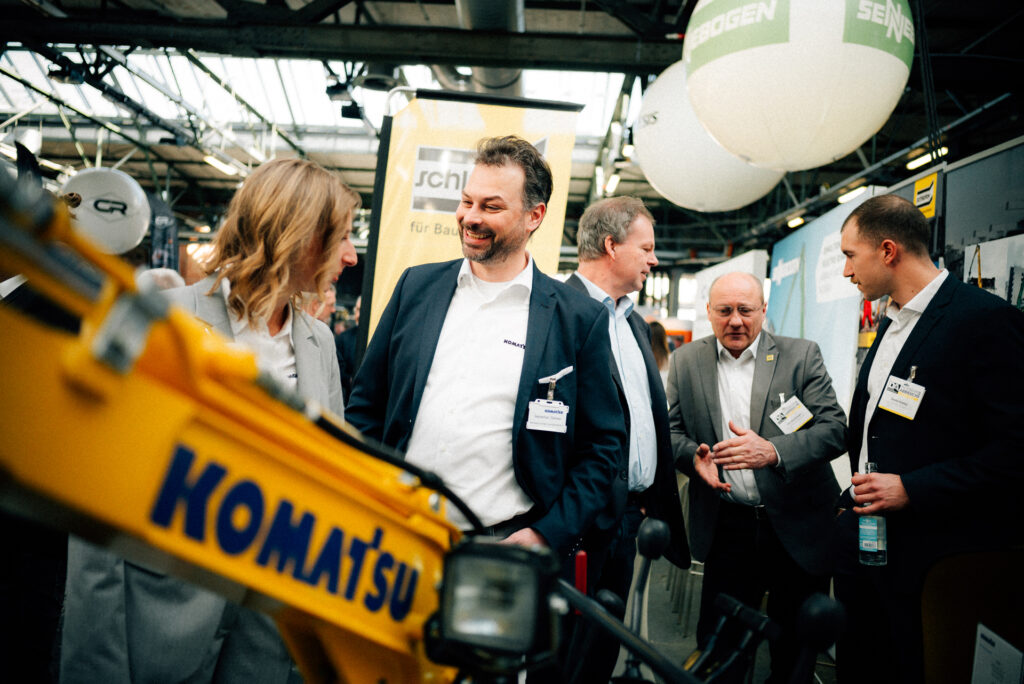
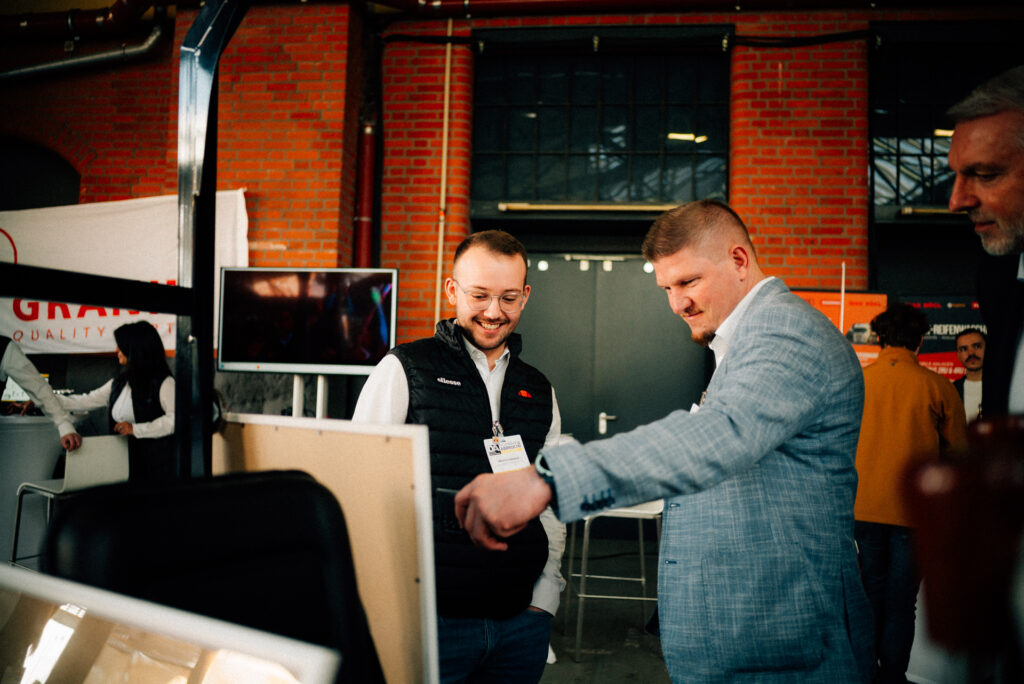
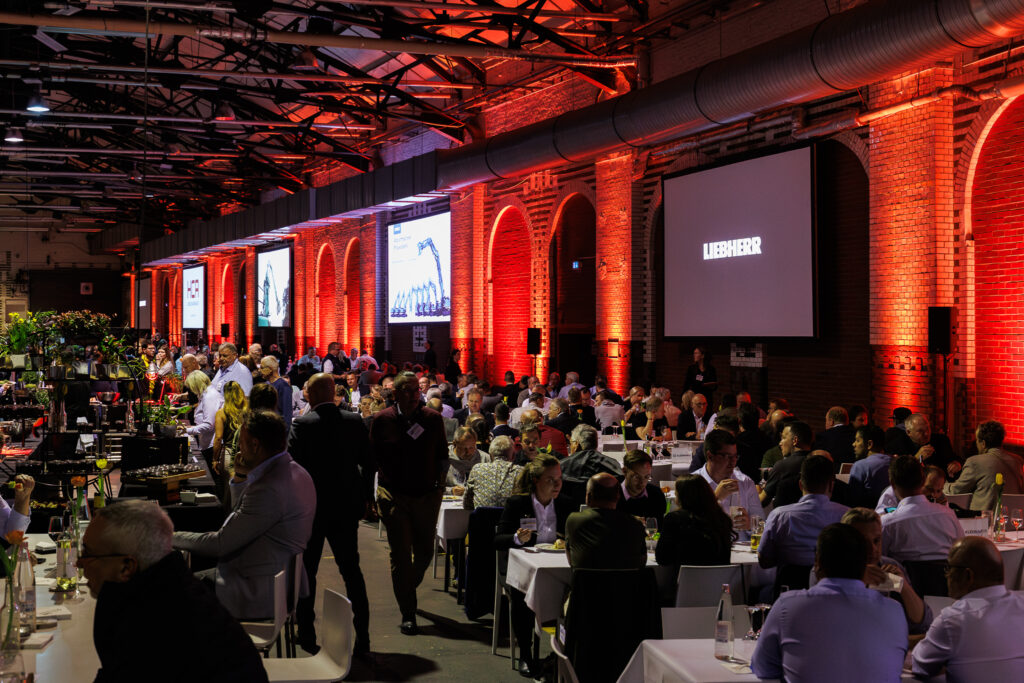
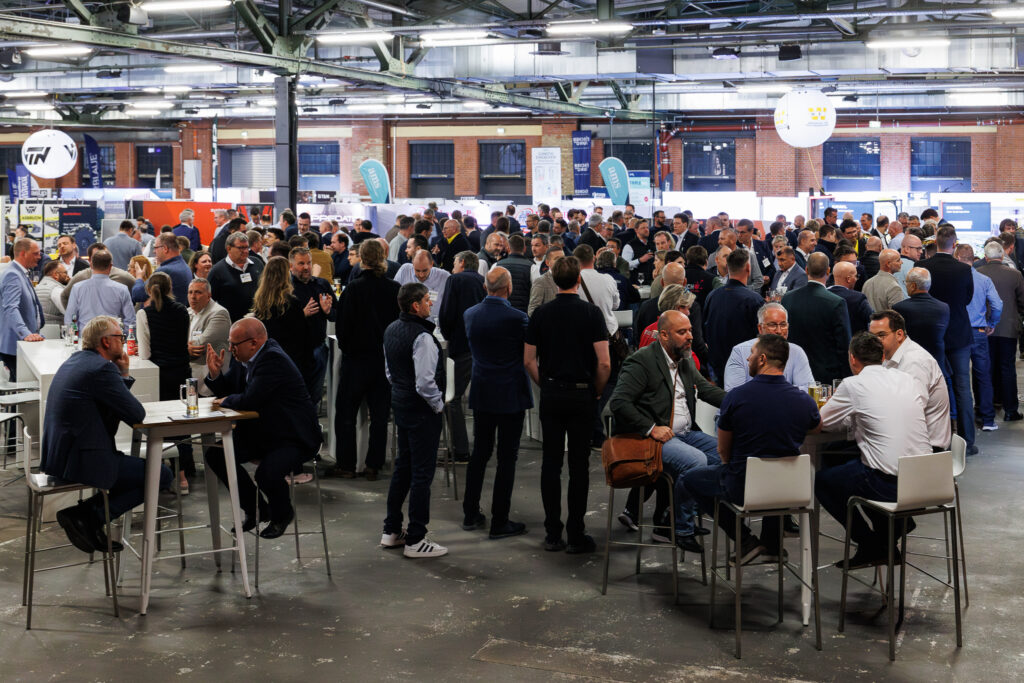
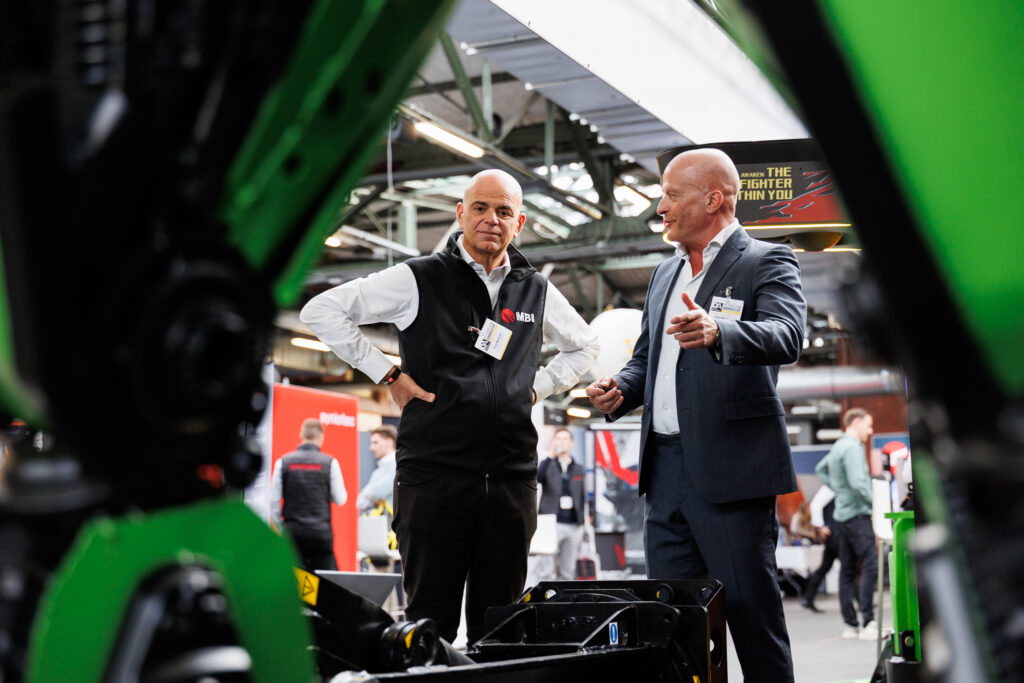
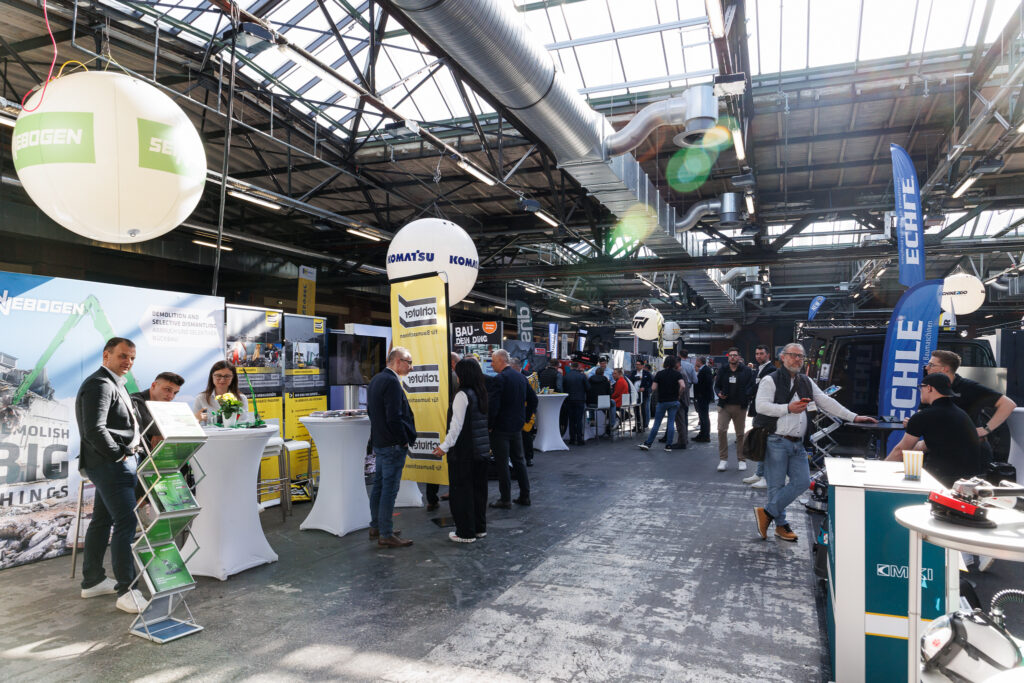
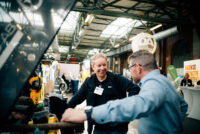
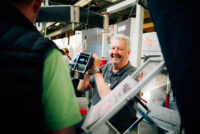
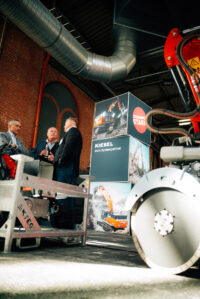
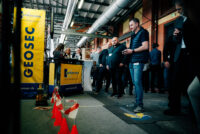
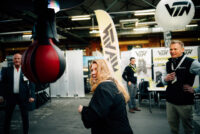
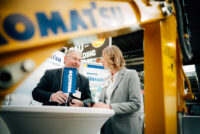
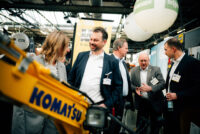
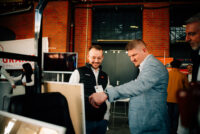
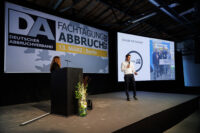
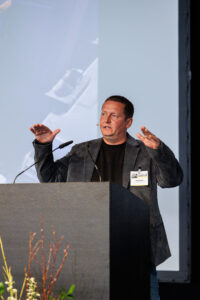
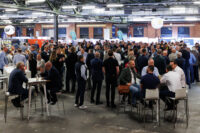
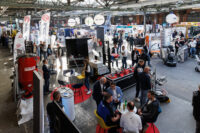
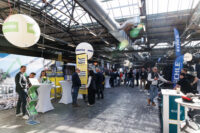
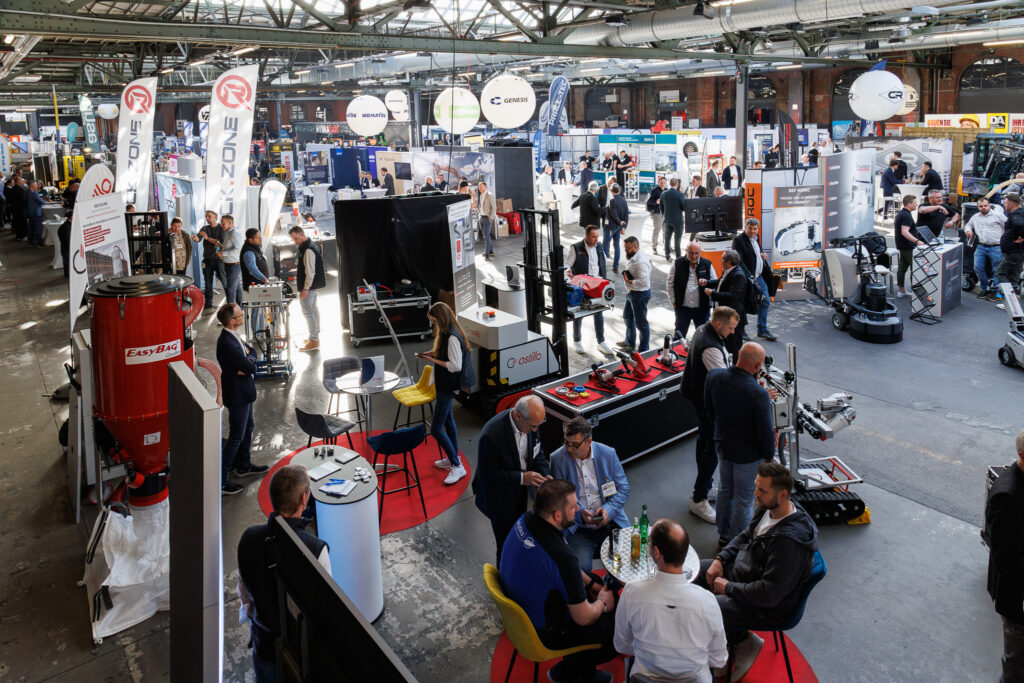
On 13 March 2026, STATION Berlin once again became the meeting place for the demolition industry: 125 exhibitors showcased their products, services and solutions on a completely sold-out exhibition area of 1,210 m². In addition, 12 compelling presentations demonstrated the industry’s unique diversity – covering topics ranging from machinery technology and occupational safety to analysis and recycling processes. Because in demolition, one thing is certain: every project comes with its own set of boundary conditions – sensitive neighboring properties, ongoing operations, traffic, hazardous substances, tight time windows, or demanding material-flow and documentation requirements. The presentations highlighted this impressively and in a highly practical way.
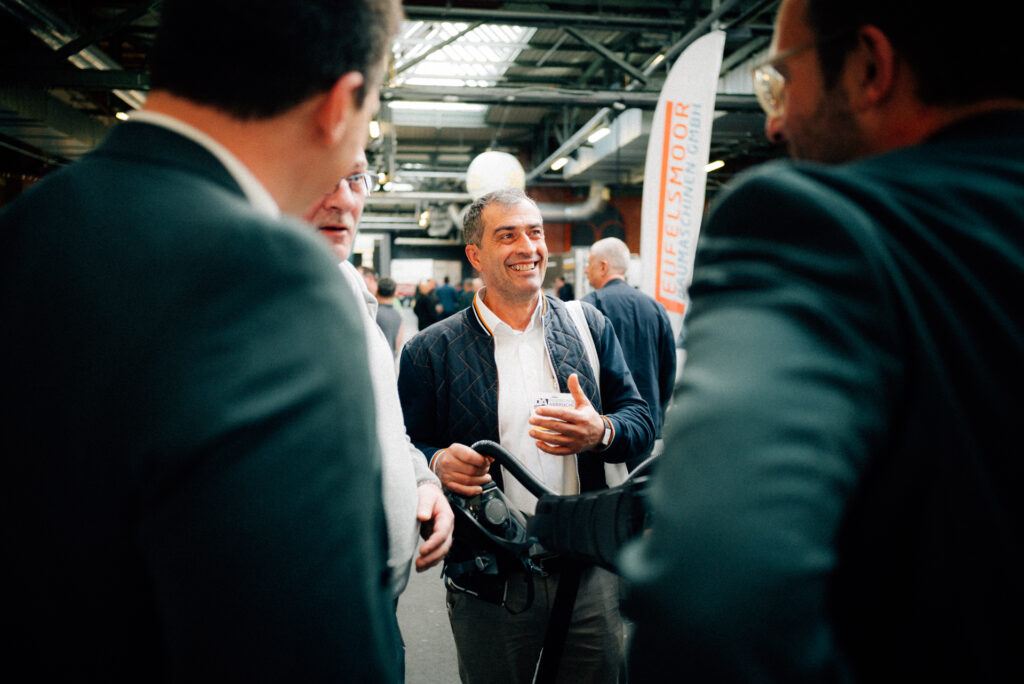
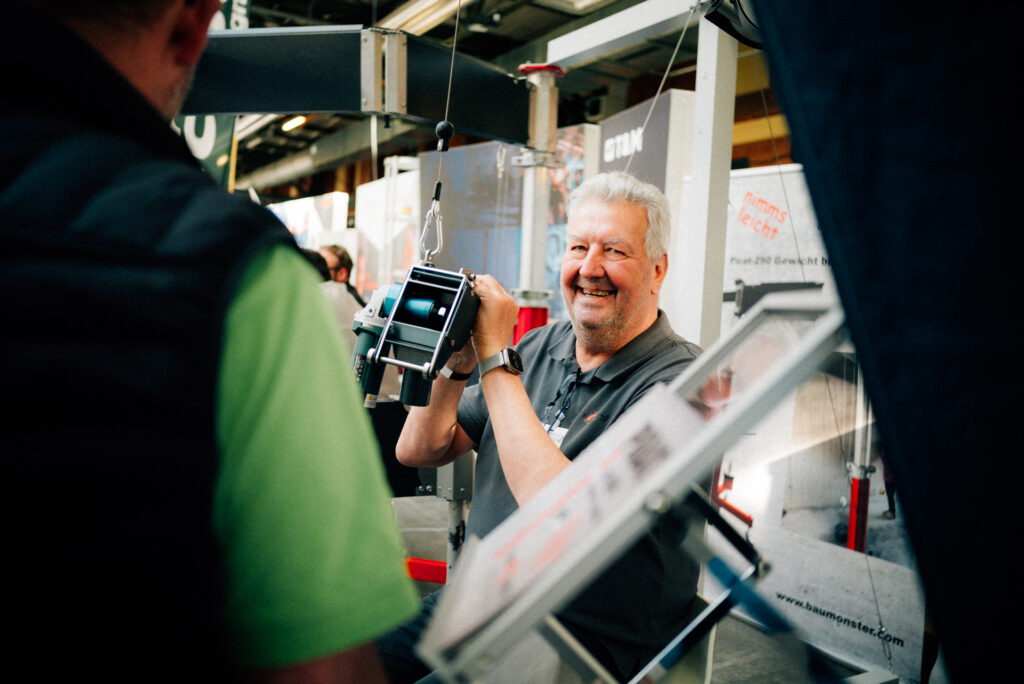
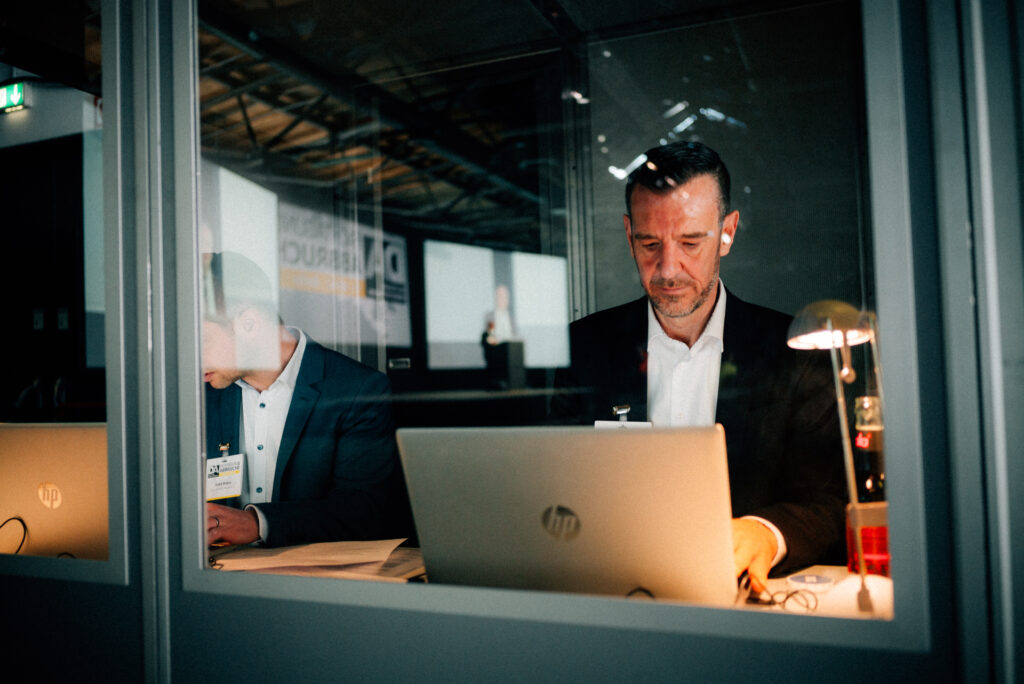
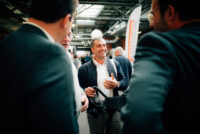
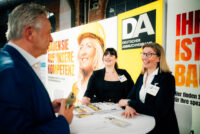
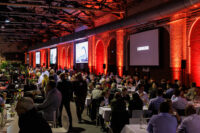
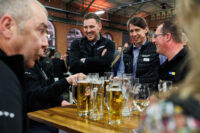
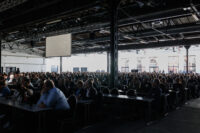
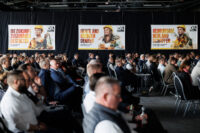
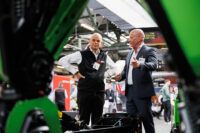
Over many years, FACHTAGUNG ABBRUCH has established itself as the most important event in the demolition, recycling and hazardous-substance remediation sector. This year once again, the event hosted by the German Demolition Association (Deutscher Abbruchverband, DA) impressed with a comprehensive trade exhibition featuring 125 exhibitors, top-class speakers and a wide range of opportunities for professional exchange. More than 1,300 industry professionals from across the sector attended at STATION Berlin. In addition to national visitors, international guests also took the opportunity to learn about developments, projects and innovations on site.
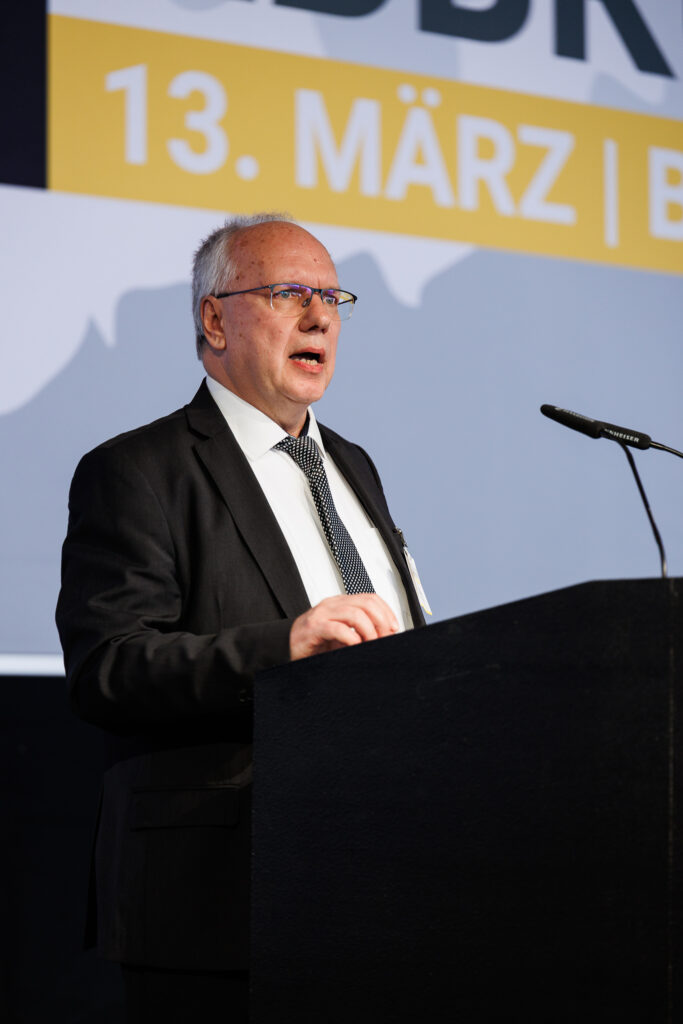
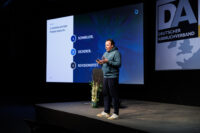
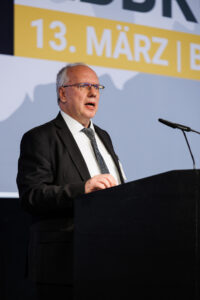
In his opening remarks, DA Managing Director Andreas Pocha welcomed the participants and emphasized the industry’s special strength: dismantling is never “standard,” but always a tailor-made solution – technically, organizationally and legally. “One thing remains constant: the values of our industry,” Pocha said. “Safety, quality, responsibility and pragmatic solution orientation are always at the center.”
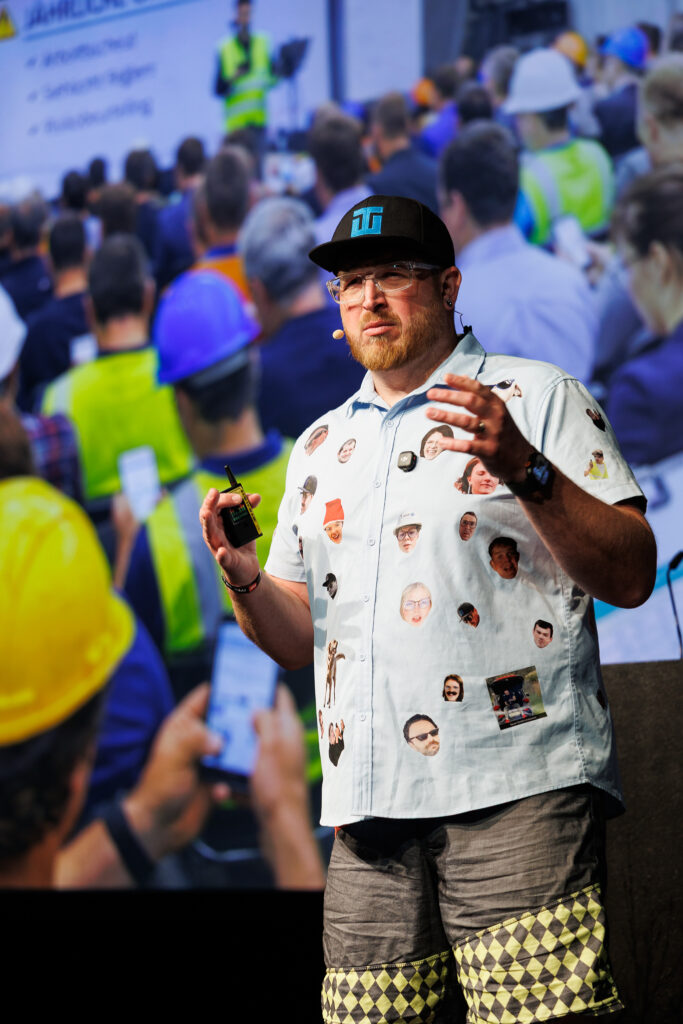
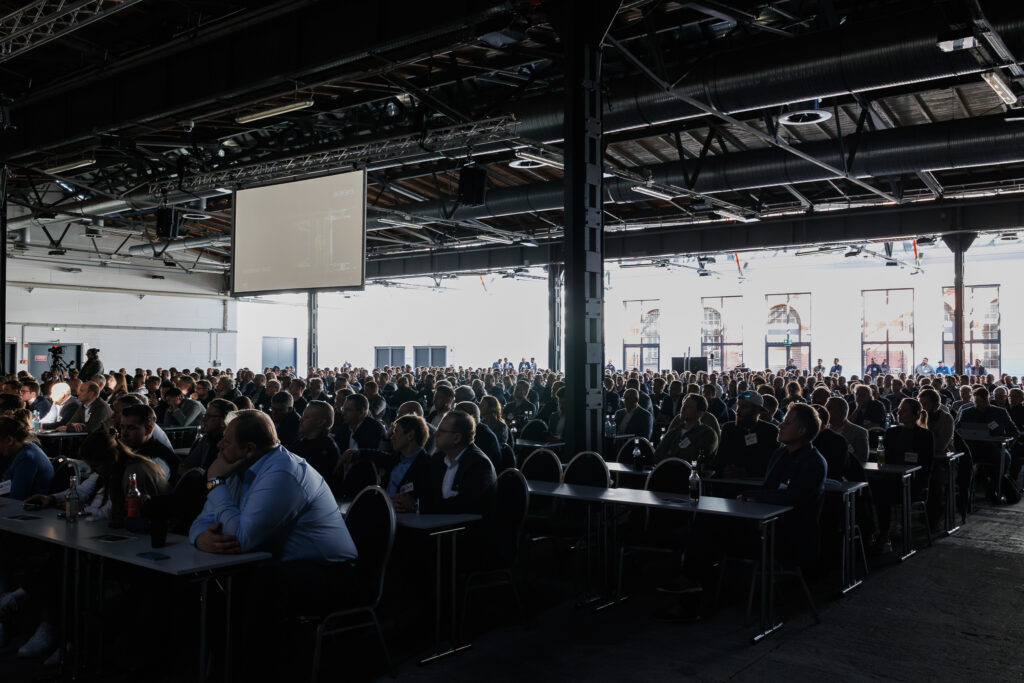
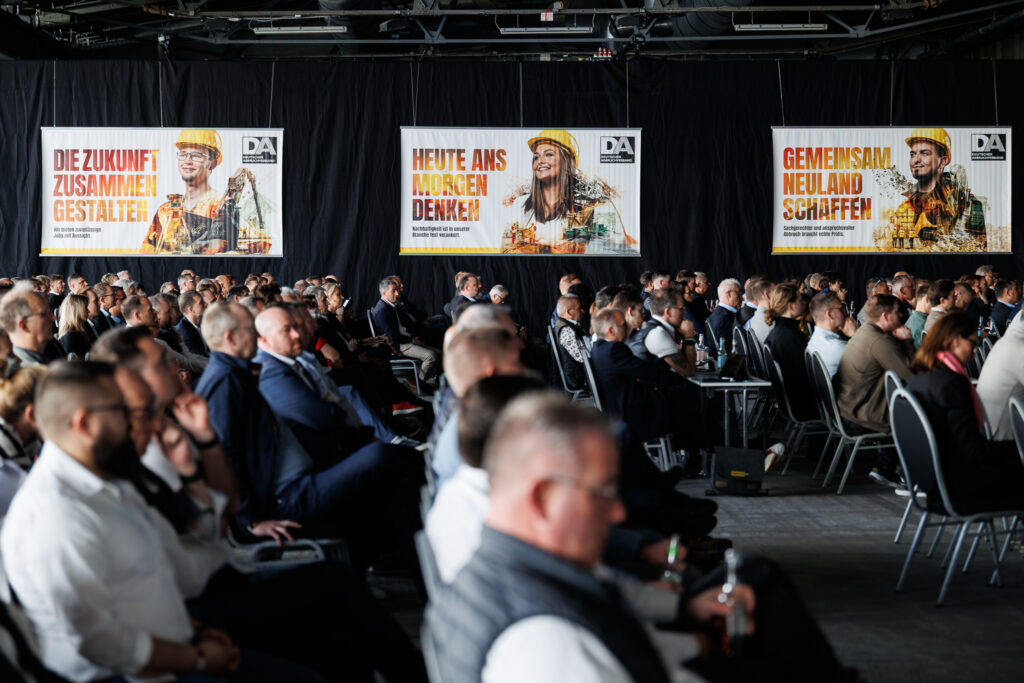
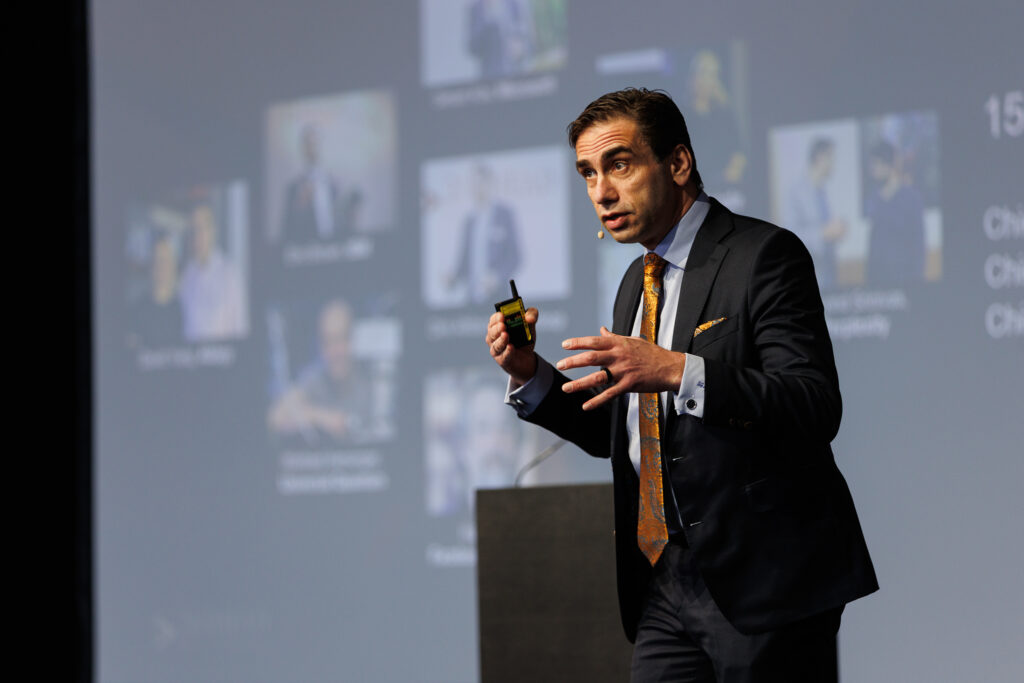
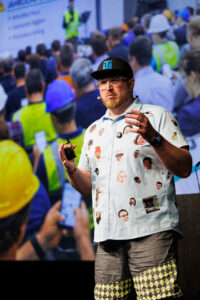
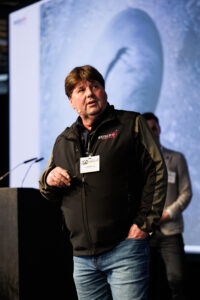
A total of 12 presentations underscored this diversity – ranging from future scenarios for the world of work and highly complex dismantling projects to practical blasting technology and AI-supported approaches for analysis, classification and decision-making processes.
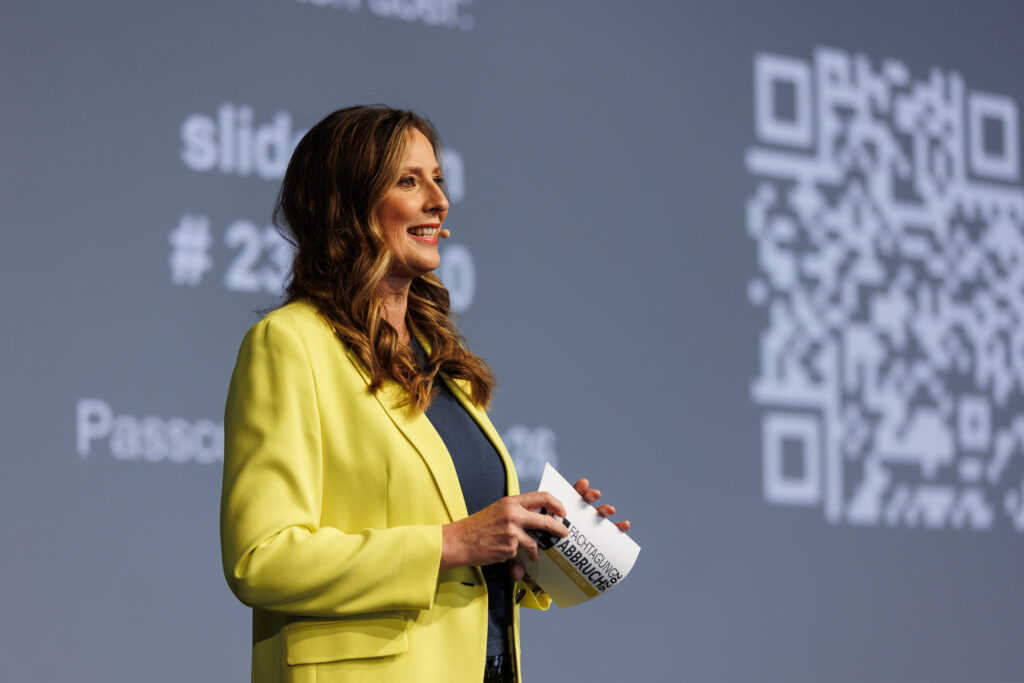
TV presenter and physicist Kristina zur Mühlen moderated the entire program. After each presentation, participants were able to submit questions to the speakers via an online tool.
FACHTAGUNG ABBRUCH was also supported by numerous sponsors who once again helped make the conference a very special event.
Outlook to 2035: Demolition Becomes a System Business
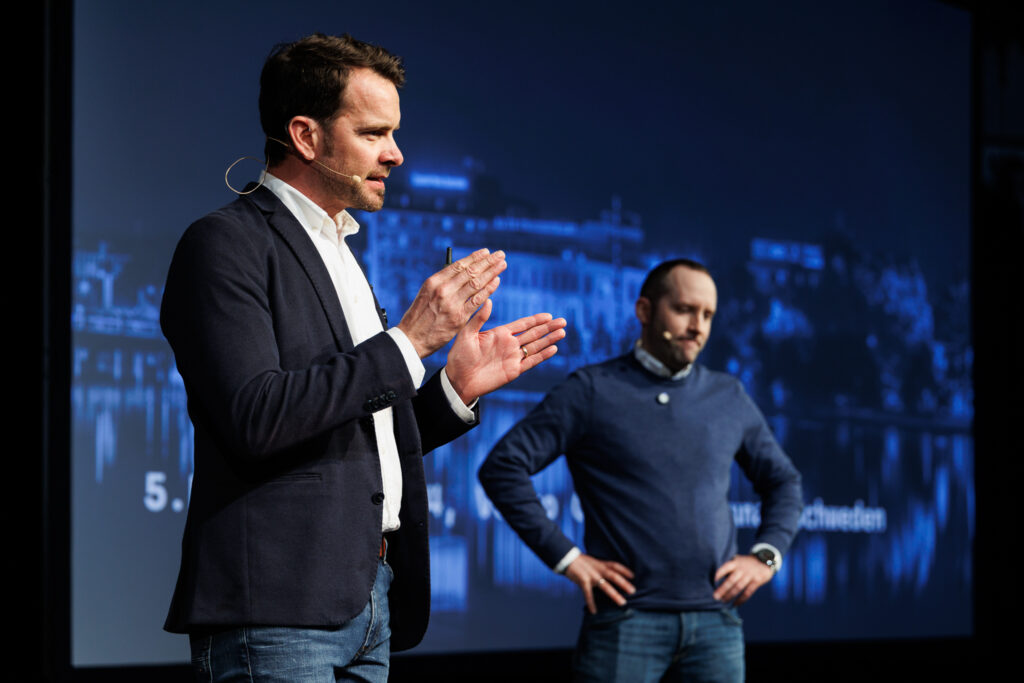
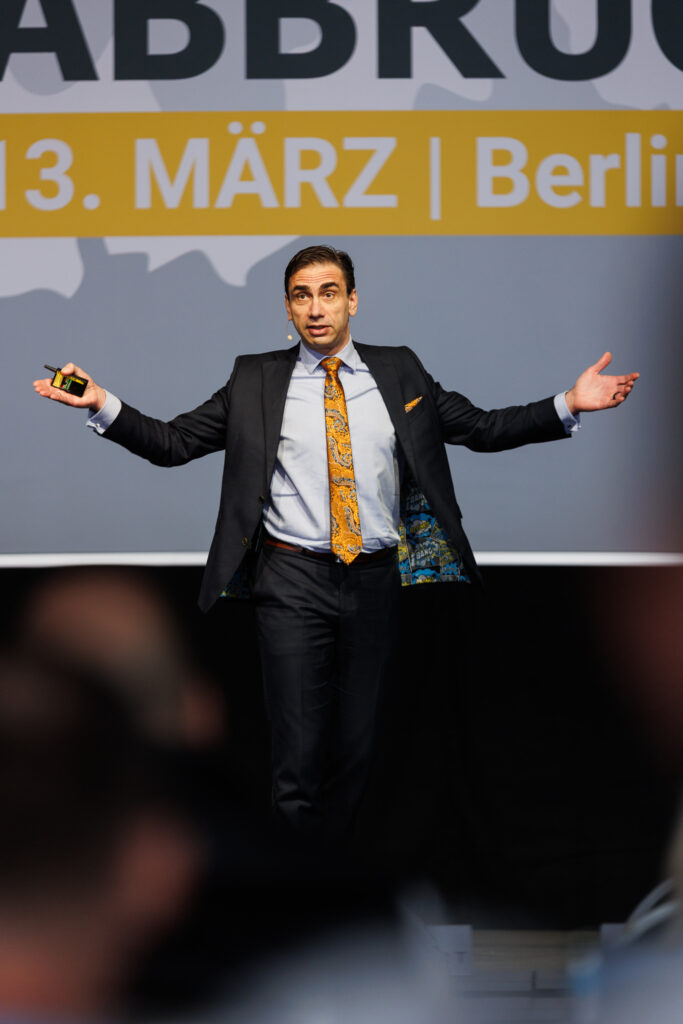
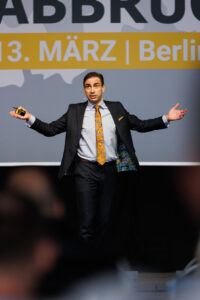
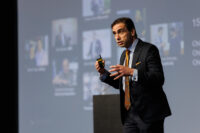
Futurist Sven Gábor Jánszky opened the day with a look ahead. His central message: demolition is evolving from a “downstream service” into a critical node of a new construction and real estate economy. In the future, dismantling will not only determine time and cost, but also CO₂ balances, material availability and the competitiveness of entire value chains. Key drivers include ESG requirements, the EU taxonomy, CO₂ pricing and increasing documentation obligations.
Jánszky also outlined how artificial intelligence, digital twins and robotics could transform dismantling by 2035: existing structures will be analyzed on a data basis before the first machine moves in, dismantling variants will be simulated, and material flows calculated more precisely. Robotics will take over hazardous or precision-critical work – while humans increasingly become operators, planners and quality managers. His conclusion: those who invest today in data competence, process quality and technology are building the foundation for resilience and growth.
Dismantling in an Operating Plant: Logistics Under Real-Time Conditions
How complex selective dismantling can be under ongoing production was demonstrated by Peter Mues (AWR Abbruch GmbH, Mülheim-Kärlich) using a major project at Mercedes-Benz AG’s Sindelfingen plant. The dismantling of a complex previously used as an assembly building took place in the heart of the plant – adjacent to production areas and social buildings still in operation. Noise and dust emissions, vibrations and strict plant logistics were therefore key project parameters.
A particular challenge was organizing material flows and site areas so that dismantling and subsequent new construction could dovetail seamlessly. Uncontaminated mineral materials were to be processed on site into recycled aggregate and reused – while intermediate storage space was simultaneously unavailable.
Biblis: Remediation and Disposal Under Maximum Regulatory Density
A practice report of special significance came from the nuclear sector: Thomas Wellmann (ERM GmbH) and Markus Brilon (RWE Nuclear GmbH) provided insights into remediation and disposal during the dismantling of the former Biblis nuclear power plant. The focus was on handling asbestos-containing components and the resulting requirements for methods, documentation and occupational safety.
They addressed the careful application of legal principles and standards, coordinated interpretation with authorities and executing companies, and the development and approval of suitable approaches – including trial remediation, measurements and metrological monitoring.
Cooling Tower Dismantling in Berlin: Precision Instead of Blasting
That the demolition method used always depends on the surrounding environment was shown by Philipp Bunde (sat. Industrie-Abbruch GmbH) in the dismantling of an approximately 52-meter-high cooling tower in Berlin-Lichterfelde. Due to sensitive technology in the immediate vicinity, blasting was ruled out – what was needed was a controlled, sectional approach.
The real challenge lay in the site conditions: proximity to the Teltow Canal, only one working and standing area, a limited operating radius due to adjacent buildings and pipe bridges. The result: safe dismantling under extreme conditions – and around 3,000 m³ of recycled material for the circular economy.
Real-Time Material Data: AI for Mineral Material Flows
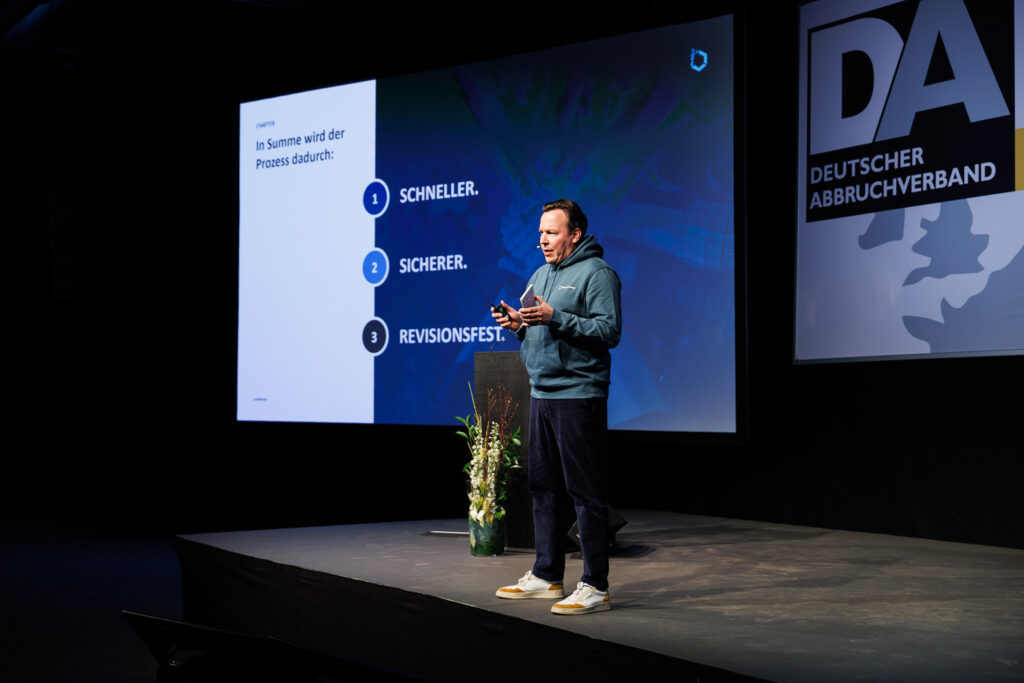
“Knowing what’s inside” – that was the focus of Hannes Berteit (Optocycle GmbH, Tübingen). His point: a functioning circular economy in the mineral sector often fails not due to missing technology, but due to missing and inconsistent quality data. This is exactly where the presented approach comes in.
Technically, the solution is based on multispectral video capture combined with AI-supported evaluation. The results are consolidated in software as a “single source of truth.”
Controlled Blasting: From Scholven to Munich
In a joint contribution by members of the DA Specialist Committee on Blasting Technology, blasting was presented as a highly precise modern tool – using two very different examples.
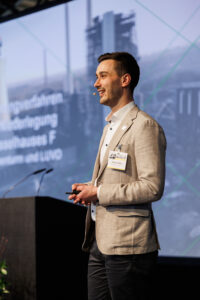
At the Scholven power plant site, Boiler House F with stair tower and LUVO extension was blasted on 22 November 2025. Special feature: a combined use of different methods.
Very different, but equally impressive, was “Operation Bunkerherz” in Munich directly at the central station – an explosive partial dismantling of a massive air-raid bunker for the new U-Bahn lines U4/U5.
The conclusion from both projects: blasting is powerful when planning, protection concept, monitoring and execution work together with millimeter precision.
Reuse as a Revenue Lever: Making Circularity Marketable
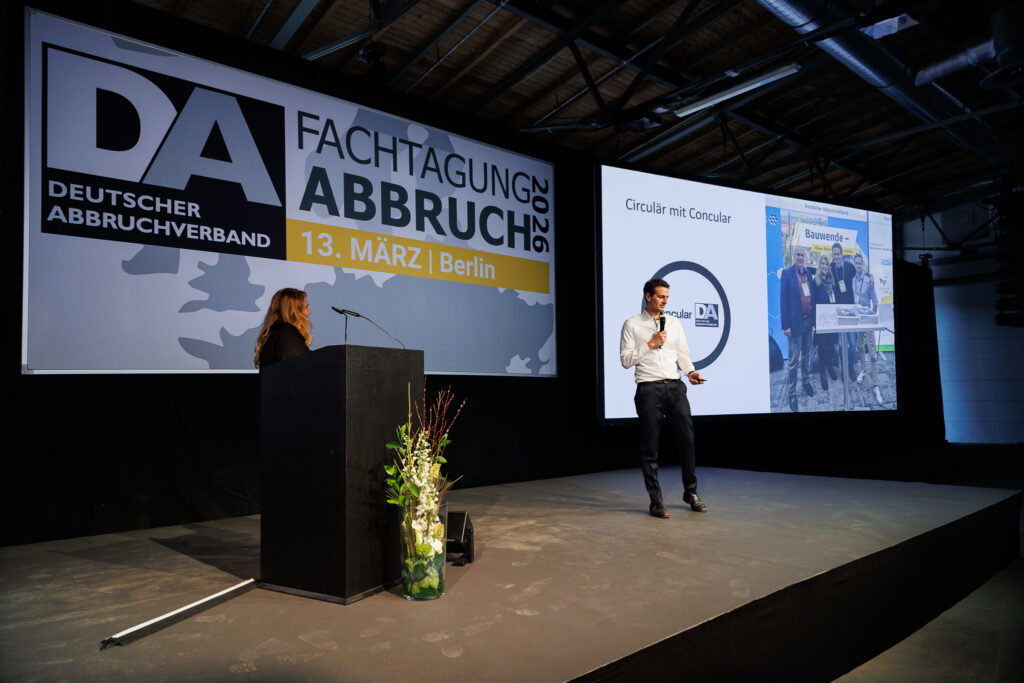
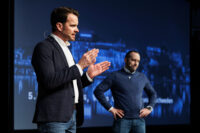
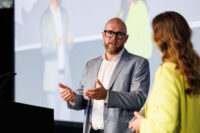
How dismantling can be approached in an economically circular way was shown by Katrin Mees (German Demolition Association) and Christopher Wrociszewski (Concular GmbH). They made it clear: reuse is not a “nice-to-have,” but can generate additional revenues and new business models – if disassembly, documentation, storage and marketing are organized early.
The presentation underlined that the loop only works when all gears mesh: site development, dismantling, data/capture and reuse must be planned together.
Asbestos 2025+: What Entrepreneurs Need to Consider Now
With regard to the requirements of the Hazardous Substances Ordinance, Berit Schuchmann (BG BAU) outlined which obligations and procedures will become particularly relevant for asbestos-related dismantling in the future – and how notification and approval issues may change depending on the risk category.
She particularly emphasized procedures to minimize or avoid fiber release, as well as measures to prevent fiber carryover – as decisive levers for safety and practical feasibility.
Bridge Demolition Under Moving Traffic: Mönchhof Triangle
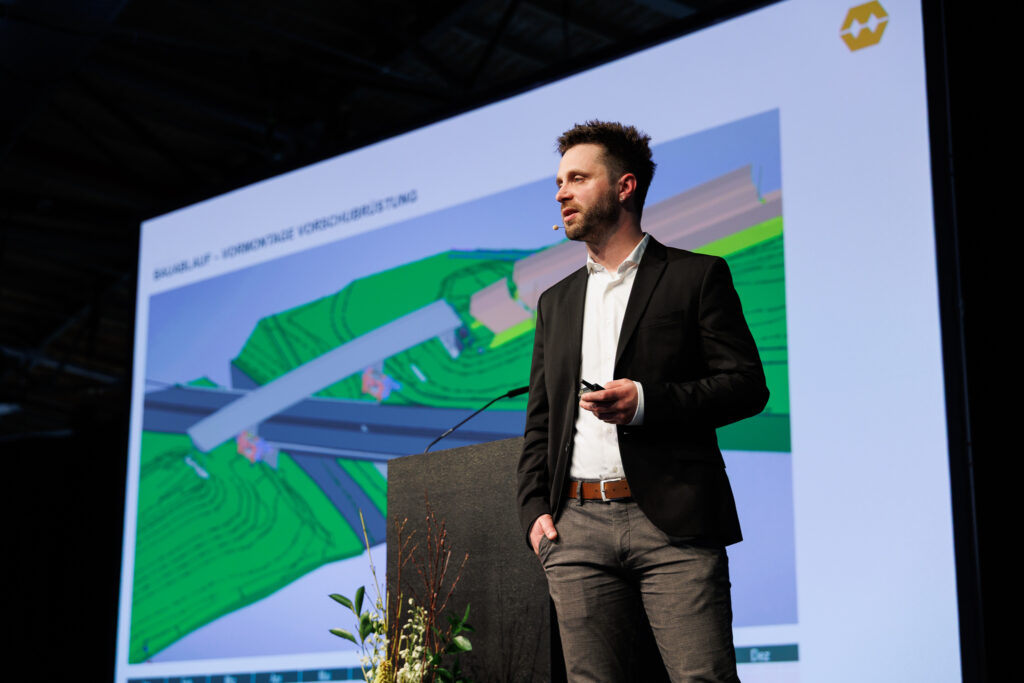
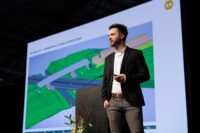
Dismantling while motorways remain in operation is a discipline of its own—demonstrated by Thomas Holzheu and Thomas Rieder (Max Wild GmbH) with the Mönchhof Triangle project. Before conventional demolition could begin, a supporting scaffold was inserted to statically support the prestressed concrete superstructure while simultaneously protecting the motorways below.
Especially spectacular: the approximately 104-meter-long and around 3,200-ton superstructure was first lifted by about 5.20 meters using 20 hydraulic presses. The project was prepared, among other things, with georeferenced 3D planning.
The World’s First Fully Electric Dismantling Project
That fully electric dismantling is already feasible today was shown by David Porst (MMRHP Metzner Recycling GmbH) and Peter Bauer (Volvo CE Germany GmbH). They presented a pilot project in which dismantling, processing and logistics were consistently designed around electrification – with the aim of significantly reducing emissions and transport movements.
Their conclusion: success depends on a strong network of client, grid operator, contractor and service providers – and they see great potential for fully or partially electric sites, especially in inner-city environments.
Occupational Safety That Works: A Practical Lens Instead of a Raised Finger
Occupational safety must work in everyday practice – Ann-Christin Vennes (Vennes Erd- u. Tiefbau Abbruch GmbH & Co. KG) and Philipp Ellsäßer (QIKY GmbH) approached the topic with that ambition. They combined jobsite experience with digital implementation expertise and used concrete examples to show how organization, technology and communication can be linked so that safety becomes understandable and actionable.
The presentation deliberately focused on attitude rather than polish: honest, practical, without preaching – yet clear in substance. The goal was to provide impulses, challenge familiar patterns and rethink safety as a leadership and culture topic that reaches people – and therefore delivers measurable impact.
AI as Decision Support: Classifying Mineral Waste in Compliance With Regulations
To close the program, Carl Wolfgang Finck (Mineral Waste Manager GmbH) showed how AI-supported analysis processes can support waste-law decision-making in mineral waste management. His starting point: the bottleneck often lies not in missing data, but in expert assessment and classification – especially when regulations are complex and requirements differ by federal state.
AI can help by structuring and verifying laboratory analyses, comparing measurement results against relevant rules, and thinking in terms of stockpiles and real material flows. The result: transparent, traceably documented classifications, fewer manual checks, shorter turnaround times and earlier detection of misclassifications – more efficiency and legal certainty on the jobsite.
Conclusion: Variety Is Not a Buzzword – It’s the Industry’s Reality
FACHTAGUNG ABBRUCH 2026 made it clear why an overarching theme was deliberately not set this year: the demolition industry is too diverse to be reduced to a single concept. Every dismantling project brings new conditions – sometimes the surroundings define the method, sometimes operations, hazardous substances, traffic, time pressure, documentation requirements, or the goal of returning materials to the cycle as high-value as possible.
This diversity is also the industry’s strength. The presentations showed the breadth of the spectrum – from large industrial dismantling projects and nuclear engineering to highly precise blasting, electrified sites and AI-supported analysis and decision processes. Dismantling requires experience, depth of planning and a willingness to innovate – and above all the ability to develop the right solution for each project.
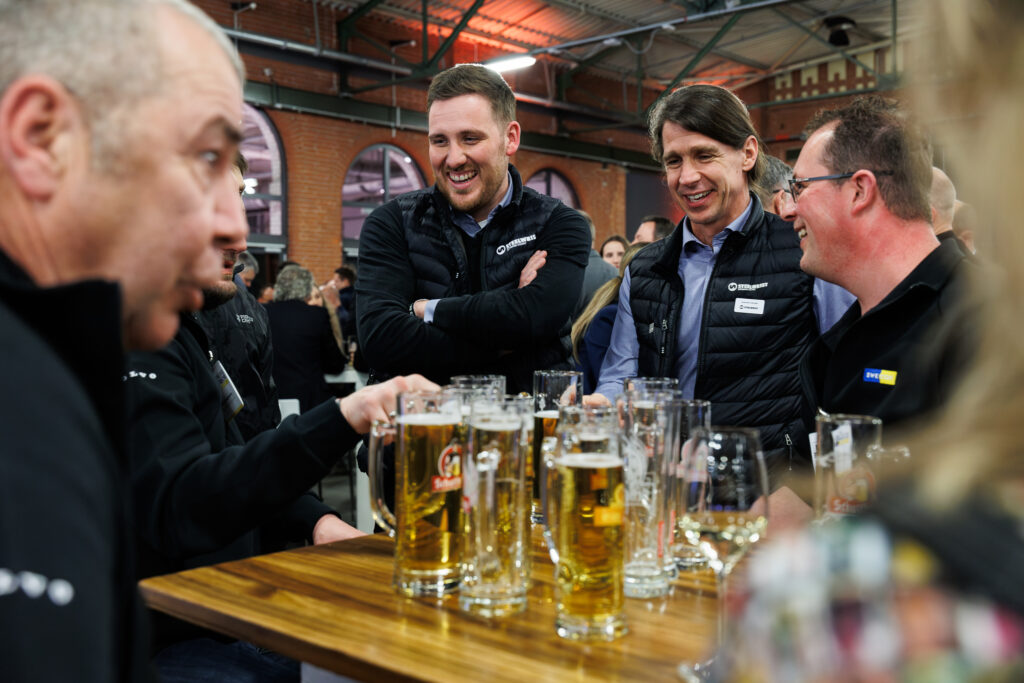
After an intensive day, the subsequent evening networking event offered participants the opportunity, in a relaxed atmosphere, to deepen impressions, make new contacts and continue conversations from the trade exhibition.
Outlook for 2027
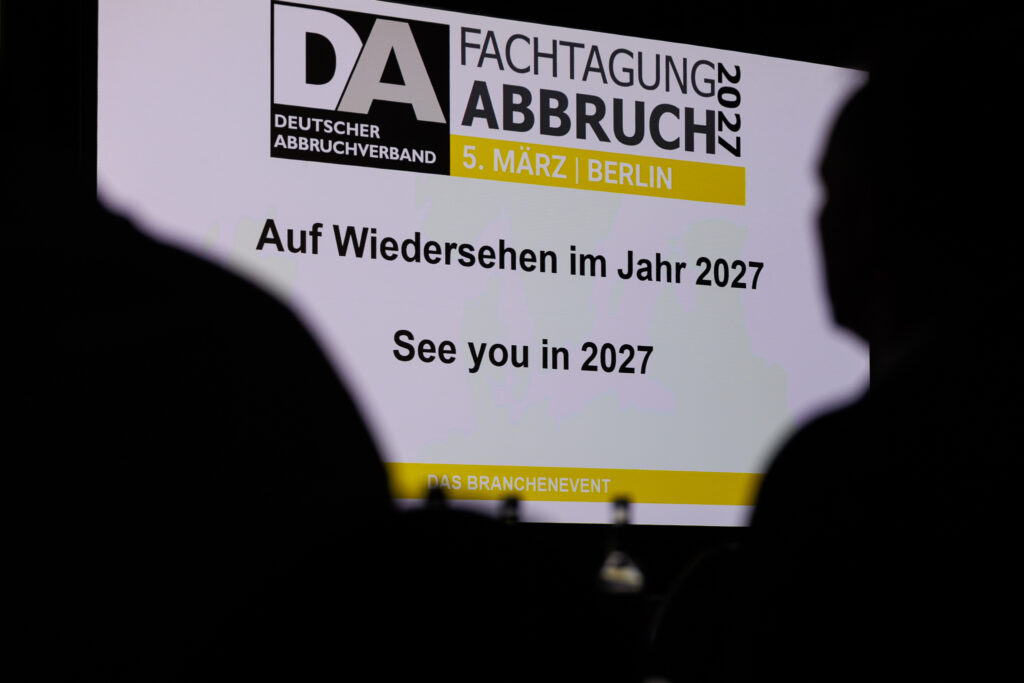
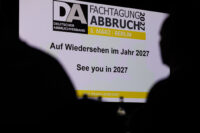
Interested parties can already make a note of the date for the FACHTAGUNG ABBRUCH 2027, which will once again take place at STATION-Berlin on March 5th, 2027.
The DA provides information on the FACHTAGUNG ABBRUCH on the website www.fachtagung-abbruch.de/en. All other topics relating to the industry and the association can be found at www.deutscher-abbruchverband.de/en
Press photos: ©2026 Jule Halsinger and Deutscher Abbruchverband e.V.